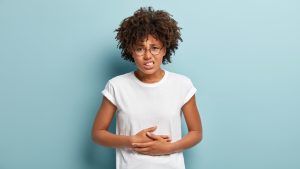





















































Severe menstrual pain affects millions of individuals worldwide, far exceeding standard monthly discomfort. Intense cramping can signal underdiagnosed pelvic conditions requiring specialized clinical care.
Many individuals suffer silently for years, assuming intense symptoms represent normal biological responses. Identifying the underlying causes of severe pain represents a major step toward long-term relief.
Continue reading to discover everything you need to know!
Understanding Severe Menstrual Pain Beyond Normal Cramps
Normal period pain usually goes away with rest and home remedies. But if the pain is so bad you can’t go to work, school, or do your daily activities, it’s a medical problem. Really bad pain often means something is wrong inside your reproductive organs.
Seeking specialized medical evaluation remains helpful for persistent pelvic symptoms. Patient advocates at the Lotus Endometriosis Institute work to advance clinical awareness surrounding complex pelvic pain conditions. Early medical consultation allows individuals to address hidden causes before complications arise.
Ignoring chronic pain can lead to delayed diagnoses and prolonged physical discomfort. Primary care providers and gynecologists use physical examinations to locate pain sources. Clear communication about symptom severity aids clinicians in forming accurate care plans.
Track when your pain starts and how long it lasts. That helps doctors see the pattern. Write down your pain level, bleeding changes, digestion problems, and other issues before your appointment, and this gives doctors a clearer picture than trying to remember months of symptoms.
Endometriosis And Painful Tissue Growth
Endometriosis happens when tissue like the lining of the uterus grows outside the uterus. This tissue still reacts to monthly hormones. It thickens and bleeds, but the blood has no way out. That causes irritation, scarring, swelling, and severe pelvic pain.
The Office on Women’s Health says the most likely cause is backward menstrual flow. In this process, menstrual blood with endometrial cells flows back through the fallopian tubes into the pelvis. The cells stick to nearby organs and grow into painful spots.
These growths can attach to the ovaries, fallopian tubes, or the outside of the uterus. Trapped blood causes swelling and scar tissue. In severe cases, organs stick together, making movement and daily activities very painful.
The Secret Impact Of Uterine Fibroids
Uterine fibroids are noncancerous growths that form in the walls of the uterus. They can be tiny or grow into large masses. As they grow, they change the shape of the uterus.
That puts extra pressure inside and causes cramping during your period. Heavy bleeding often comes with severe pain when fibroids get bigger. Large fibroids press on nearby organs.
That can cause lower back pain or make you need to pee often. How bad your symptoms are depends on the size, number, and location of the fibroids.
Some fibroids grow near the inner lining. These often cause heavy bleeding. Some grow inside the muscle wall.
These cause severe cramps during your period. Others grow outward and press on organs in your belly.
Doctors find fibroids with a pelvic ultrasound or an MRI. Treatment can range from medicine to surgery to remove them. Treating them early helps get your cycle back to normal and reduces daily discomfort.
Adenomyosis And Deep Uterine Inflammation
Adenomyosis happens when the lining of the uterus grows into the muscle wall. That tissue still goes through a monthly cycle.
It thickens, breaks down, and bleeds inside the muscle. This makes the uterus get bigger. It causes swelling and bad pelvic pain.
Common symptoms of adenomyosis manifest across monthly cycles:
- Enlarged, tender uterus
- Heavy or prolonged menstrual bleeding
- Severe cramping
- Persistent pelvic pain
Untreated adenomyosis makes daily life and physical health harder. It often happens along with other pelvic problems. That makes treatment more complicated.
Scans help doctors spot thickening in the muscle wall. Hormone treatments can slow tissue growth and ease monthly symptoms.
Severe cases may need surgery or other procedures for lasting relief. A correct diagnosis helps patients make smart choices for their future health.
Pelvic Inflammatory Disease And Long-Term Complications
Pelvic inflammatory disease (PID) happens when bacteria spread from the vagina into the uterus, fallopian tubes, or ovaries. If it’s not treated, the infection causes swelling, tissue damage, and scars in the pelvis.
Mayo Clinic says PID is a major cause of ectopic pregnancy (also called tubal pregnancy). Scarring blocks the fertilized egg from moving down the fallopian tube into the uterus. Taking antibiotics right away lowers the risk of serious problems.
Cleveland Clinic says about 20% of people get chronic pelvic pain after PID. Scar tissue can stick organs together, causing pain that lasts long after the infection is gone. Getting treated early is key to preventing long-term pelvic problems.
Ovarian Cysts And Structural Abnormalities
Ovarian cysts are small sacs filled with fluid that form on or inside the ovaries during a normal cycle. Most stay small and don’t cause symptoms, and they often go away on their own. But some grow, twist, or break open, causing sudden sharp pain in the pelvis.
When a cyst breaks open, fluid leaks into the pelvis, causing irritation and sudden pain. Large cysts can make you feel full, bloated, and achy in the lower belly. Scans help doctors check the size and decide if treatment is needed.
Different shapes in the pelvis can cause bad period pain. Some women are born with a differently shaped uterus that blocks normal blood flow, causing stronger cramps. Finding these differences helps doctors choose the right treatment, with or without surgery.
Steps Toward Proper Diagnosis And Treatment
Getting the right diagnosis takes a full health check and a detailed health history. Doctors use special pelvic ultrasounds, MRIs, and a procedure called laparoscopy to look at pelvic organs. This helps them find the exact cause of chronic pelvic pain.
Early testing leads to treatment plans that fit each patient. Care focuses on easing swelling, controlling heavy bleeding, and relaxing muscle spasms. Patients do better when they can talk clearly with a gynecology team during early visits.
Treatment depends on test results, what the patient wants, and their plans for having children. Options range from hormone therapy and pelvic physical therapy to surgery. Good care helps people manage chronic pain and protect their long-term reproductive health.
Severe period pain should never be ignored or accepted as normal. Working with skilled doctors helps get the right diagnosis and manage symptoms. Taking action now helps people protect their reproductive health and get back to daily life.
Check out the rest of our site for more!