


























































Serious car crashes rarely happen by chance. In most cases, they are the result of high-risk driving actions that could have been avoided.
Speeding, distraction, and impaired driving are just a few examples of behaviors that raise the risk of a life-changing accident. Understanding these actions is important for every driver because awareness leads to better choices behind the wheel.
In this article, we break down the most common high-risk driving behaviors, explain why they are dangerous, and show how they contribute to serious crashes.
Speeding Beyond Safe Limits
Speeding is one of the most common causes of serious crashes. Driving above the posted speed limit or too fast for road conditions reduces the time a driver has to react. Even a few extra miles per hour can make a big difference when something unexpected happens.
When a vehicle is moving faster, it takes longer to stop. High speeds also increase the force of impact during a crash, which raises the risk of severe injuries or death. Speeding is especially dangerous in residential areas, near schools, and during bad weather.
Distracted Driving Behind the Wheel
Distracted driving happens when a driver’s attention is taken away from the road. Common distractions include texting, using a phone, eating, adjusting the radio, or talking to passengers. Even looking away for a few seconds can lead to a crash.
Mobile phone use is one of the biggest distractions today. Reading or sending a message takes a driver’s eyes, hands, and focus off driving. Many drivers are not aware of the full causes of distracted driving in Utah and how quickly these distractions can lead to serious accidents.
Driving Under the Influence of Alcohol or Drugs
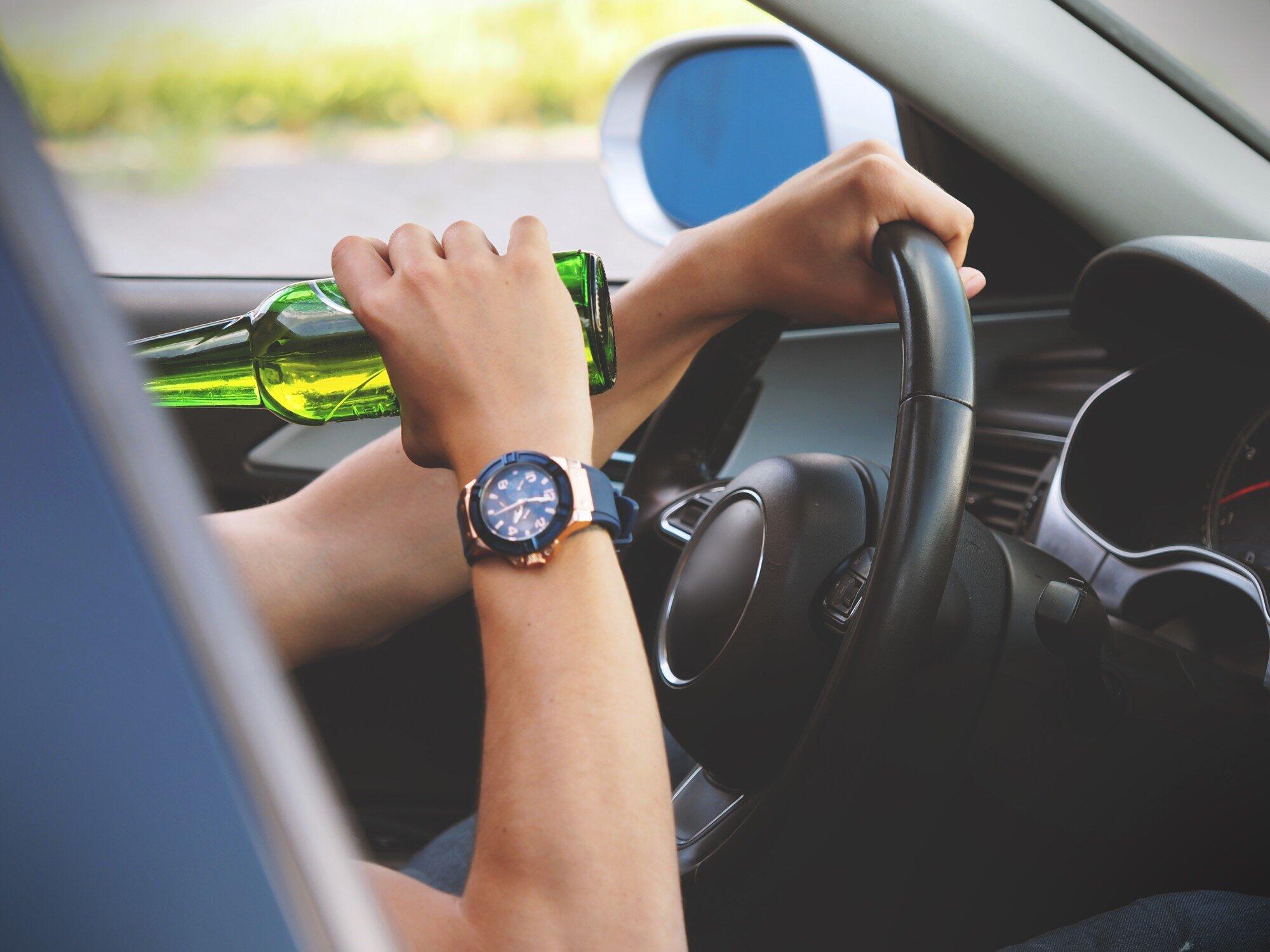
Impaired driving remains a major cause of deadly crashes. Alcohol, drugs, and even some prescription medications can affect judgment, coordination, and reaction time. A driver may feel fine but still be unsafe to drive.
Alcohol reduces the ability to make good decisions and slows reflexes. Drugs can cause drowsiness, confusion, or delayed responses. Combining substances increases the danger even more.
Driving under the influence puts everyone on the road at risk. Planning a safe ride home or using a designated driver can prevent tragic outcomes.
Aggressive and Reckless Driving
Aggressive driving includes actions like tailgating, weaving through traffic, speeding, and ignoring traffic signals. These behaviors create unsafe situations for everyone nearby. Road rage can also lead to poor decisions made in anger.
Reckless drivers often fail to anticipate the actions of others. Sudden lane changes or running red lights leave little time for other drivers to react. This increases the chance of high-impact crashes.
Staying calm and patient on the road helps prevent aggressive behavior. Giving other drivers space can lower stress and reduce accident risk.
Failing to Obey Traffic Signals and Signs
Traffic signs and signals exist to keep roads organized and safe. Ignoring stop signs, red lights, or yield signs disrupts traffic flow and can cause serious collisions, especially at intersections.
Running a red light can lead to side-impact crashes, which are often severe. These crashes offer little protection compared to front or rear impacts. Pedestrians and cyclists are also at greater risk when drivers ignore signals.
Obeying traffic laws is a simple but powerful way to prevent crashes. A few seconds of patience can save lives.
Drowsy Driving and Fatigue
Driving while tired is more dangerous than many people realize. Fatigue can slow reaction time, reduce focus, and increase the chance of drifting out of a lane. In some cases, drivers may briefly fall asleep at the wheel.
Long trips, late-night driving, and lack of sleep all raise the risk of drowsy driving. Fatigue affects the brain in ways similar to alcohol, making it harder to make safe decisions.
Taking breaks, sharing driving duties, and getting enough rest before a trip can help reduce fatigue-related crashes.
Poor Lane Changes and Blind Spot Errors
Unsafe lane changes are another common cause of serious crashes. Failing to check blind spots or signal intentions can surprise other drivers and lead to side-swipe collisions.
Large vehicles, motorcycles, and cyclists are especially vulnerable to blind spot errors. A quick glance may not be enough to spot them, particularly in heavy traffic.
Using mirrors correctly, signaling early, and taking time to check blind spots can prevent many lane-change accidents.
Tailgating and Following Too Closely
Following too closely leaves little room to stop if the vehicle ahead slows down suddenly. Tailgating is especially dangerous at high speeds or in poor weather conditions.
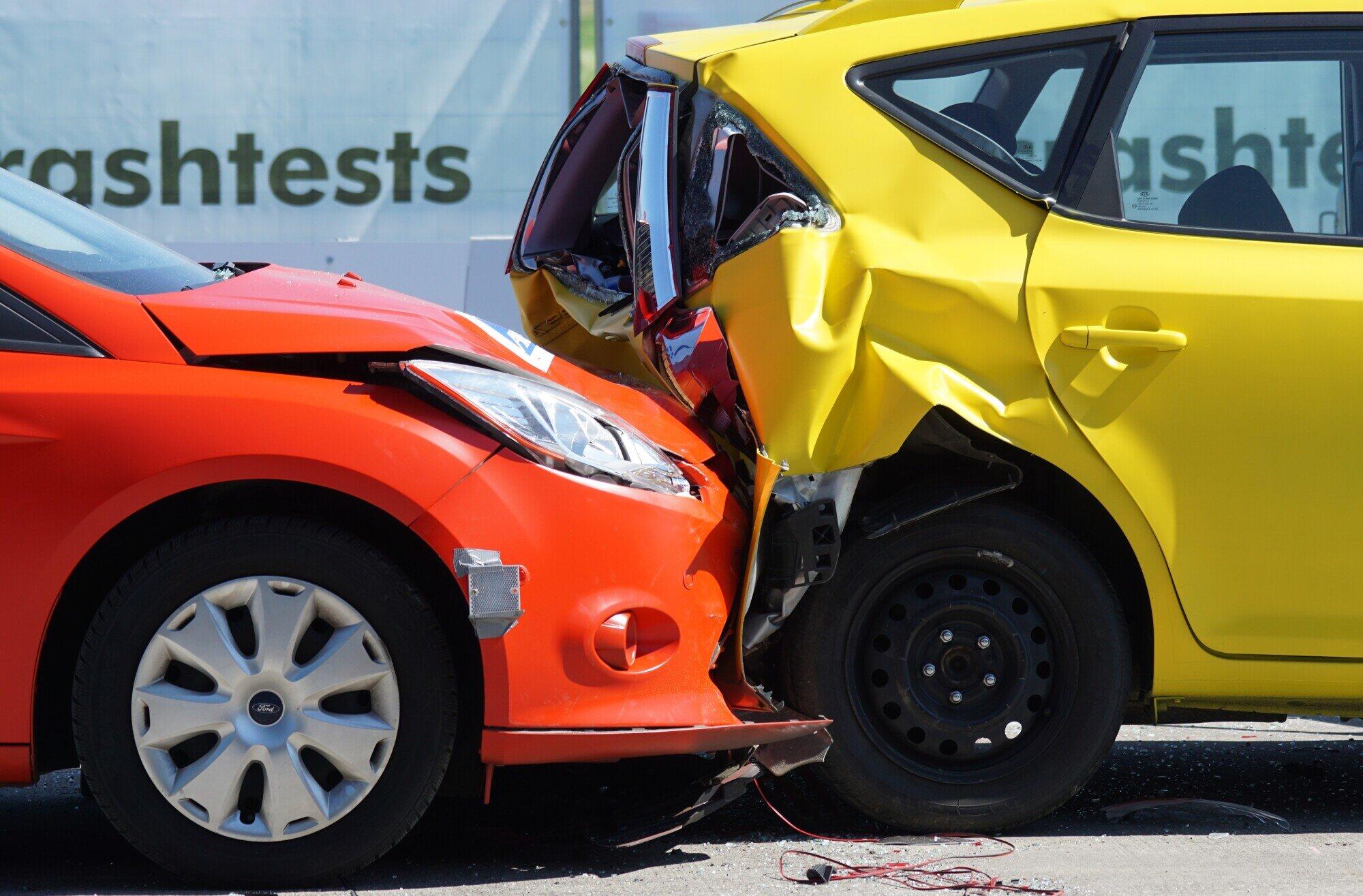
Rear-end collisions are a common result of tailgating. These crashes can cause serious neck and back injuries, even at lower speeds. In heavy traffic, a single tailgating incident can lead to multi-vehicle accidents.
Keeping a safe following distance gives drivers more time to react and helps maintain smoother traffic flow.
Unsafe Driving in Bad Weather
Rain, snow, fog, and ice make driving more challenging. Reduced visibility and slippery roads increase stopping distances and reduce control. Driving the same way as in clear weather can lead to serious crashes.
Speeding and sudden movements are especially dangerous during bad weather. Drivers may lose traction or slide into other vehicles.
Slowing down, using headlights properly, and allowing extra space between vehicles can improve safety during poor conditions.
Ignoring Vehicle Maintenance Issues
Poor vehicle maintenance can also contribute to serious crashes. Worn tires, faulty brakes, and broken lights reduce a driver’s ability to control the vehicle or be seen by others.
Tire blowouts or brake failures can cause sudden loss of control. Even small issues, like low tire pressure, can affect handling and stopping ability.
Regular inspections and timely repairs help ensure a vehicle is safe to drive and reduce the risk of mechanical-related accidents.
Inexperienced or Overconfident Driving
New drivers may lack experience, while overconfident drivers may underestimate risks. Both situations can lead to poor decision-making on the road.
Inexperience can result in slow reactions or confusion in complex traffic situations. Overconfidence may lead to speeding or ignoring safety rules.
Continuous learning and respecting road rules help drivers of all experience levels stay safe.
Making Safer Choices on the Road
High-risk driving actions play a major role in serious crashes. Understanding these risks helps drivers make safer choices every time they get behind the wheel.
Safer driving starts with awareness and responsibility. If you or a loved one has been affected by a serious crash, seeking guidance from trusted professionals can help you understand your options and move forward with confidence.
Found this article useful? Keep browsing the rest of this section for more.