


























































A good garden cart can make outdoor work easier and faster. It helps you move tools, soil, and plants with less effort. Choosing the right one can improve your daily tasks in the garden.
Many carts look the same, but they offer different features. You need to know what works best for your space and needs. With the right guide, you can pick a garden cart that fits your work perfectly.
Know Your Garden Tasks First
Before you buy a cart, think about what you do most in your garden. Some people move soil often, while others carry plants or tools. Your main tasks can help guide your choice.
A small cart works well for lighter yardwork. A larger cart is better if you are moving heavy loads. Understanding your needs helps you avoid selecting the wrong size.
Think about how often you will use the cart. Daily gardening needs a stronger option. Occasional use may only require a simple model.
Choose the Right Cart Size
The size of your cart affects how much you can carry at once. A large cart holds more items but may be hard to pull in tight spaces. A smaller cart fits better in narrow areas but carries less.
Measure your garden paths before you decide. You want a cart that moves easily around corners. It helps you avoid getting stuck between plants or fences.
Ensure that the cart fits your storage space as well. Some garages or sheds have limited room. A foldable model may help if you need to save space.
Check the Weight Capacity
The weight capacity indicates how much the cart can safely hold. If you carry bricks, soil, or stones, this is very important. A weak cart will break or tilt under too much weight.
Think about your heaviest garden tasks. Choose a cart that handles more weight than you expect. It keeps you safe and prevents damage.
A strong frame can make a big difference. Metal frames usually hold more weight than plastic ones. Choose wisely based on your projects.
Look at the Wheel Type
Different wheel types work better in various areas. Large wheels handle rough or uneven ground well. Smaller wheels are easier to turn on smooth paths.
Air-filled tires roll smoothly and absorb bumps. Solid tires do not go flat but may feel stiff. Think about your yard and what type fits it best.
Check the wheel material for durability. Strong rubber or heavy plastic can last longer. Good wheels help your cart stay steady during work.
Focus on Material Quality
Carts come in plastic, metal, or wood. Plastic carts are light and easy to move. Metal carts are stronger and hold more weight.
Wood carts look nice, but may not handle heavy loads well. They also need more care. Choose the material based on both style and function.
Check how the handles, bolts, and joints feel. Strong materials give you better long-term use. Quality always matters for outdoor tools.
Look for Useful Garden Cart Features
Helpful features can make your work easier each day. Some carts have removable sides that let you load large items. Others have tilted beds that help you dump soil easily.
Extra pockets or trays can hold seeds or gardening tools. These features save time when moving around. They also keep everything within reach.
Think about which features match your daily tasks. Simple options may work for light jobs. Extra features help with busy or larger gardens.
Match the Cart to Your Terrain
Your yard shapes the type of cart you need. Steep hills need carts with strong wheels and solid frames. Flat lawns allow lighter carts to work well.
Soft soil may cause wheels to sink. Choose wider wheels to avoid this issue. They give better balance and control.
Paths with stones or roots need durable tires. You want smooth movement, no matter the surface. Choose a cart that fits your environment.
Check Comfort Features
Remember to consider comfort when using a garden cart. Features like cushioned grips and adjustable handles can make a significant difference. Comfort adds to the overall gardening experience.
Look for carts with ergonomic designs. An easy-grip handle can reduce strain on your wrists and hands. This investment in comfort will make gardening tasks more enjoyable.
Test various handles before selecting one. Comfort is more subjective, and what feels good for one person might not suit another. Prioritize features that will work best for you.
Think About Multi-Use Options
Some carts do more than one job. You can use them to haul soil, carry plants, or store items. A multi-use cart helps you save money and space.
Carts with flatbeds let you move bigger items. Others have deep bins for soil or mulch. Choose one that fits several tasks.
You can also use a cart for chores beyond gardening. It may help with home projects or outdoor events. Flexibility is always helpful.
Read Online Reviews Before Buying
Feedback from other users helps you understand real experiences. Online reviews explain what works well and what breaks easily. They also show how the cart performs after months of use.
Read both positive and negative comments. They help you see patterns in quality or problems. This makes your choice more informed.
Look for comments about durability, wheels, and comfort. These details matter most in daily use. Reviews help you avoid poor options.
Pick a Cart That Matches Your Style
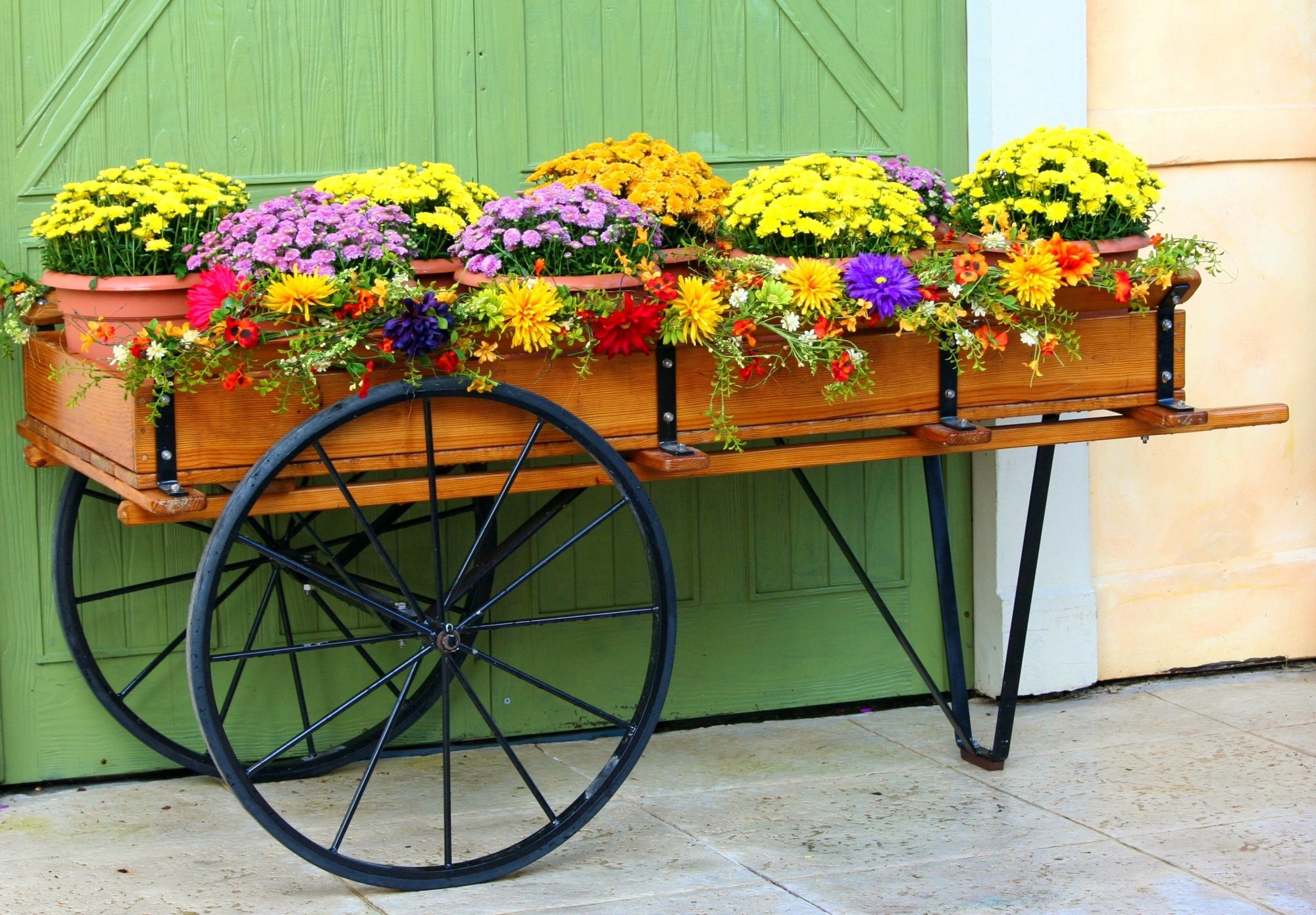
Some people like simple designs for work. Others prefer a decorative cart that looks good in the garden. Your cart can be both useful and stylish.
Choose colors that blend with your garden space. A wood or metal design can add charm. The right style can make your garden more inviting.
If you want elegant styles, you can click for garden carts and carriages here. This helps you explore carts that match both function and beauty. A good-looking cart adds personality to your outdoor area.
Make Garden Work Easier With the Perfect Garden Cart
Choosing the perfect garden cart takes time and careful thought. You must check size, strength, wheels, and materials. These details help you find a cart that fits your daily garden work.
A good cart supports your tasks and protects your body. It keeps your garden clean and organized. With the right choice, each job becomes lighter and more enjoyable.
Did this article help you? If so, take a look at some of our other blog posts for more informative reads.