





















































Whoa! Right off the bat—I get the jitters when exchanges change a flow. Short sentence. Most of us just want to sign in and trade, but somethin’ about verification trips people up. My instinct said this would be straightforward, though actually, wait—let me rephrase that: it often looks straightforward until you hit an ID upload that refuses to accept your driver’s license photo. Hmm… seriously?
Here’s the thing. A login is two things: access and permission. Access is your email and password. Permission is the verification the platform needs to let you actually move money. Initially I thought those were separate experiences, but then I realized they’re tightly coupled; a failed verification usually keeps you from logging into important features. On one hand the extra checks feel annoying; on the other hand they protect you from fraud and compliance headaches that could freeze accounts for real. So there’s a tension—annoying but necessary, though actually it could be done better.
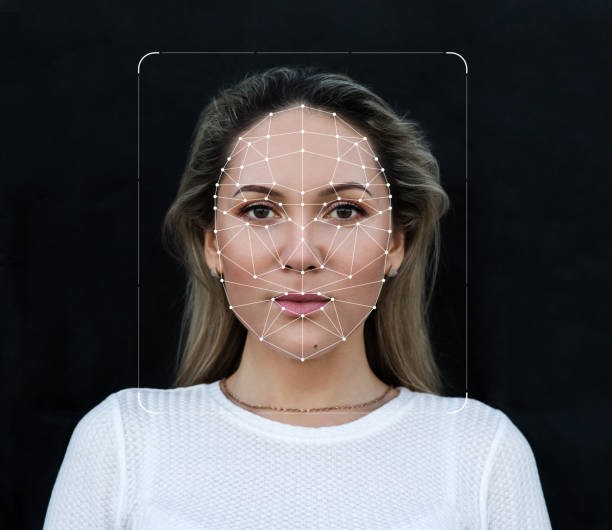
Okay—so if you’re in the US and trying to sign in to Bitstamp, you’ll want to prepare three things: a current government ID, a selfie or live photo that matches the ID, and a proof-of-address document under three months old. Yep, that’s the usual checklist. I’m biased, but having these ready before you start saves a ton of time, and that’s very very important when markets move.

Table of Contents
Quick sign-in flow, without the fluff
Step one: navigate to the site. Step two: enter your email and password. Short. Step three: if two-factor auth (2FA) is enabled, approve the prompt or paste the code from your authenticator app. This part is boring but fast. Then—if you hit a verification gate—you’ll be asked for documents and sometimes a live selfie. I remember thinking “this will take five minutes” and it took closer to twenty because my phone glare messed with the photo. Ugh.
If you want a practical shortcut, have a phone with a decent camera nearby and good lighting. Seriously? Yes. Natural light beats fluorescent every time. And: avoid heavy filters, no sunglasses, no hats. The system needs a clear match. Something felt off about the way people try to be clever with filters—don’t do it. Instead, be literal; show your face, show the ID, and breathe.
Also, check your email for the verification link. Sometimes the site emails a sign-in approval or a link you need to click before other checks appear. On rare occasions that link goes to spam—so check spam. (oh, and by the way… check promotions too.)
Verification hiccups and how to fix them
Common problems are predictable. Blurry ID photos are the biggest. Another is mismatched names—like nicknames vs. legal names. On first pass, I thought a selfie mismatch was rare, but then I saw a trader with a hyphenated last name run into trouble because databases stored it differently. Initially I wanted to blame the exchange, then I realized the data entry process can amplify small differences.
What to do: rescan with a steady hand. Use a plain background. If you have a laminated ID, angle it slightly to avoid glare. Also, if your utility bill is older than 90 days, get a newer one or a bank statement that shows your address. Many people try to upload screenshots or PDFs that the system flags; upload originals whenever possible. These practical steps cut down on back-and-forth with support.
Support interactions—ugh. They can be slow. If you reach out, include your account email and a succinct description of the issue. Attach problem screenshots. That increases the chance of a fast resolution. Honestly, patience pays off here, but so does preparation.
Security tips that actually matter
Enable 2FA. Short. Use an authenticator app rather than SMS when possible. Why? SMS can be intercepted or SIM-swapped. On one hand, SMS is convenient; on the other hand, it’s weaker security. Pick the stronger option. Also, use a unique password. If you reuse one across multiple sites, a single breach elsewhere could put your crypto at risk. I’m not 100% sure why people still reuse passwords, but they do—don’t be that person.
Consider whitelisting withdrawal addresses if you plan to keep funds on the exchange. It adds friction, yes, but prevents blind withdrawals to an attacker’s wallet. And back up your authenticator keys somewhere secure—preferably an encrypted password manager. These are small tasks that prevent big problems.
Where to find the official sign-in help
If you want step-by-step instructions or to double-check current policies, the exchange’s help pages are the authoritative resource. For a straightforward walkthrough and links to the sign-in page, try the bitstamp guide I keep coming back to when helping friends. It’s a compact starting point that walks through both login and verification steps
Real-world edge cases
Traveling? If you log in from a new country, expect identity checks or temporary holds while the platform flags the unfamiliar location. That’s annoying; it’s also good. If you plan to travel and trade, notify support or prepare to use VPNs carefully (note: VPNs can also trigger flags). Also, business accounts face stricter KYC—corporate docs, beneficial owner info, and more. That paperwork takes time to assemble.
One friend of mine had an account restricted because their middle name was listed differently across documents. We spent two weeks sorting it. She was livid. Me too. But the fix was a notarized statement and a supporting document—a pain, yes, but it resolved the hold. Small administrative details can ripple into big delays, so pay attention to name and address consistency from the start.
FAQ
How long does verification usually take?
Typically a few hours to a couple of days. Short cases clear quickly; busy times can extend that. If your documents are clean and readable, expect faster processing. If not, you may see back-and-forth requests that stretch the timeline.
Can I trade before verification is complete?
Sometimes you can view markets, but trading and withdrawals are often restricted until verification is complete. The exact limits vary, but don’t count on full functionality before completing KYC (Know Your Customer).
What if my ID upload fails repeatedly?
Try a different device and better lighting. Use the official file types (usually JPG or PNG) and keep file sizes within the allowed range. If it still fails, contact support and include screenshots. Patience and clear images usually win.