













































Slot gaming has been a staple of casinos. This is both physical and online for decades. But beyond the flashing lights, the spinning reels, and the hope of hitting a jackpot, there’s a deeper psychology at work.
Slot games tap into our brain’s reward circuits, cognitive biases, and even emotional needs. In this article, we’ll explore what drives players to spin slots, how game design shapes behaviour, and why many are drawn back again and again.
What Makes Slot Gaming So Alluring
Slot games are popular because they are simple and fast. You don’t need any special skills. Just press the “spin” button and see what happens.
Each round only takes a few seconds. You can quickly find out if you won or lost. This fast action can feel exciting and make people want to keep playing.
Slots also take very little effort. Online versions make it easy to play anytime.
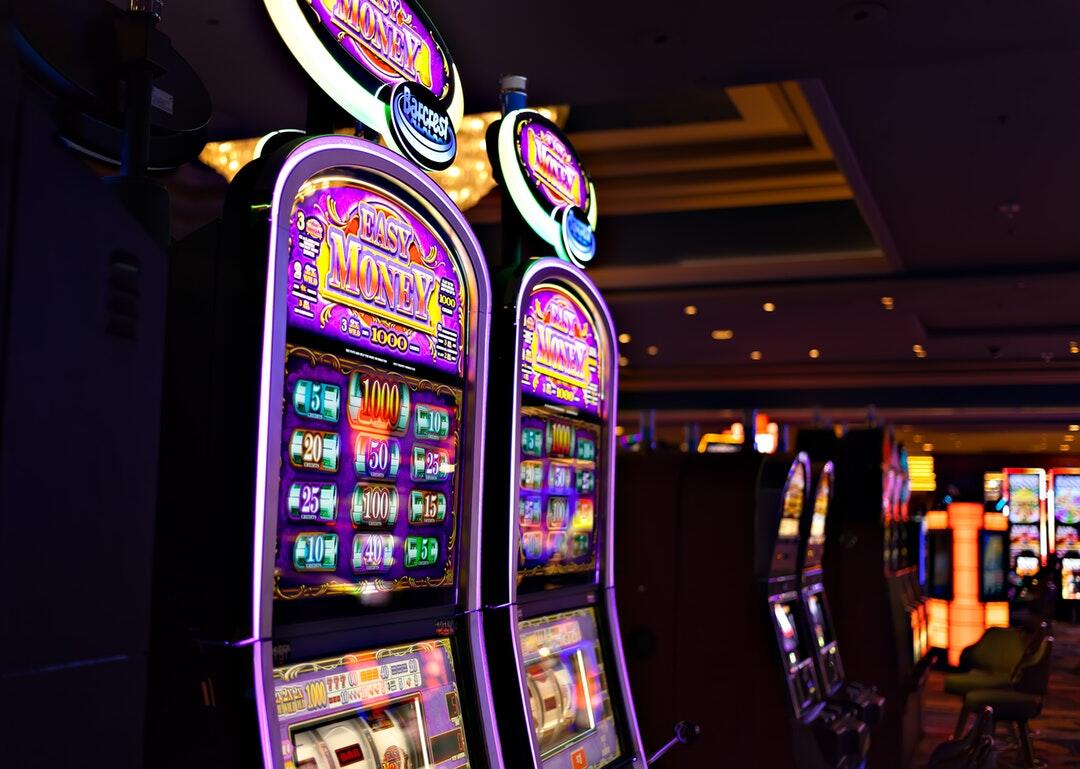
Slot machines also use bright lights, fun sounds, and moving pictures to grab your attention. These effects make the game feel more exciting and keep players interested.
Since you never know when you might win, every spin feels like a surprise. This mix of sounds, lights, and unpredictability creates a strong feeling of excitement that keeps people playing.
What’s Going On Inside Our Brains
Slot games affect the brain in ways that make them very exciting and sometimes hard to stop playing. When you spin and win-or even come close to winning-your brain releases dopamine, a chemical that makes you feel good.
Because slots are unpredictable, you never know when the next win might happen. This makes your brain stay alert and excited, wanting another spin.
This creates what psychologists call a “compulsion loop”: you feel the urge to play, you spin and you get a reward or a near-win. And that feeling makes you want to spin again.
Since spins are quick, this loop can repeat many times. It makes the game very absorbing.
Slot machines also use tricks that make you feel like you almost won, even when you didn’t. These “near misses” can make your brain react as if you actually won. This encourages you to keep going.
Many players also think they can control the game. For example, choosing the right time to spin or believing a win is coming after several losses even though slot outcomes are completely random. This leads to beliefs like the Gambler’s Fallacy, where players think a win is “due” soon.
These ideas can make people keep playing longer than they planned.
Other Motivations: Emotion, Escape, and Social Influence
For some people, slot games feel like a break from stress. Playing can help them forget worries for a little while. This is because the lights, sounds, and quick spins keep their minds busy.
The game can even put players in a kind of “zone,” where they stop thinking about real-life problems. This can feel comforting, even if they don’t win money.
Modern slot games also use features like progress bars, bonuses, and small goals-similar to video games. These make players feel like they are moving forward or achieving something, even though the game is mostly based on luck. Small wins, free spins, and bonus rounds keep players excited and make them want to continue.
The environment also plays a big role. Casinos and online slot games are designed to be bright, loud, and full of action. Seeing or hearing other “wins” can make players feel like they could win too.
All these sounds and flashing lights can influence people to keep playing, sometimes without thinking carefully.
The Flip Side: Risks, Addiction, and When It Becomes Problematic
While slot gaming can be fun, the same psychological mechanisms that make it engaging – variable rewards, sensory cues, illusions of control, and emotional escape – also make it risky for many people. Frequent players of slots are statistically more likely to develop gambling problems than those who stick to games with more skill or slower pace.
Because slot games can trigger a compulsion loop and hijack brain reward systems, what starts as harmless fun can spiral into repeated, impulsive play – often with mounting losses.
Even if you don’t win, the “near-misses,” sensory excitement, and intermittent hits can create a strong urge to keep trying. That’s what makes slot gaming both magnetic and potentially dangerous.
Why Slot Gaming Persists – and Why It’s Popular
Putting all of this together, slot games stay popular for many reasons. They are easy to play and don’t need any special skills. Anyone can start with just one button.
They also give quick results. This makes them exciting and fun. The bright lights, lively sounds, and moving pictures make the game even more thrilling for the brain and senses.
Slot games also use tricks that make players feel close to winning, even when they aren’t. Things like near-misses, surprise rewards, and the feeling of having some control keep people wanting to play more.
For some players, slots provide a way to relax, escape stress, or take their mind off problems. Modern slots also use game-like features, such as bonus rounds and goals. These make the experience feel more engaging and fun.
Even in online casinos, where you can play from home at any time, slot games continue to thrive because they deliver all these psychological hooks – just as designed.
If you’re curious about where people play turn to one of the best online casinos offering slot games, thanks to convenience, variety, and seamless design that leverages all these psychological triggers.
Final Thoughts: Awareness Matters
Slot gaming taps directly into human psychology. Our brain’s reward system, our desire for excitement and control, our need for escape. That’s what makes it both appealing and dangerous.
For casual players who treat it as occasional entertainment, the thrill can be harmless. But for others, the same features can trigger habits that are hard to break.
Understanding what drives slot gaming behavior – the lights, the near-misses, the dopamine rush, the cognitive illusions – helps bring awareness. If you choose to engage, it’s wise to do so with clear boundaries, moderation, and a healthy mindset.
Because when it comes to slot gaming, what feels like fun can sometimes be more than just a game.